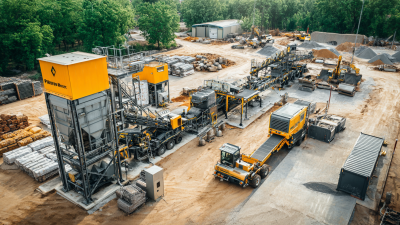
As the mining world keeps evolving, picking the right type of mining equipment is more important than ever if you want to succeed. Companies like Caterpillar and Komatsu really set the bar, offering a wide range of gear tailored to different mining needs. For example, have you heard of the Crawler Type Dozer? It’s pretty popular for its reliability and efficiency, especially when tackling tough terrains.
Figuring out which mining method suits your project can make or break your productivity. Things like the environment you’re working in and the type of resources you’re after really matter. Surface mining equipment isn’t the same as what you’d use for underground mining, right? But if you're not careful with your choices, you could run into delays or end up spending way more than you planned.
Honestly, no single solution fits all situations. Sure, cutting-edge tech can boost your operations, but if you don’t manage your equipment properly, those benefits can slip away pretty fast. Keeping up with research and being willing to adapt is key. By checking how well your selected mining types are working, companies can keep edging ahead of the competition. Looking back on past decisions actually helps in making smarter choices down the line.

Most Common Types of Mining: An Overview
Mining is essential for extracting valuable resources. Various types of mining techniques are used worldwide. Each method has its own strengths and weaknesses. Understanding these methods helps in making informed decisions.
One common type of mining is surface mining. This method involves removing soil and rock above a mineral deposit. It is efficient but can cause environmental damage. The use of a Mining Wheel Loader makes this process easier. It assists in moving large volumes of material quickly. However, improper use can lead to accidents and increased costs.
Another technique is underground mining. This method is less disruptive to the surface. Yet, it presents challenges. Miners face risks such as cave-ins and poor air quality. The machinery used, including Mining Wheel Loaders, needs careful operation. Training is crucial. Safety remains a significant concern. There’s always room for improvement in techniques and safety standards.
Factors Influencing the Effectiveness of Mining Methods
The effectiveness of mining methods greatly depends on various factors. Terrain plays a significant role. For instance, mountainous regions can complicate excavation. Flat areas may allow for easier access and quicker operations. Reliable surveys and geological assessments are crucial before beginning any project. These steps can save time and resources.
Another important factor is the technology used. Advanced machinery increases efficiency but may come at high costs. Sometimes, older methods might be more suitable in certain situations. Training workers is essential, too. Skilled labor can significantly impact productivity and safety on-site. Investing in human resources is often overlooked but vital.
Environmental considerations also influence mining effectiveness. Striking a balance between operations and nature is challenging. Many companies face pushback from communities regarding environmental impact. Developing sustainable practices can enhance public perception. However, these practices may initially slow down production. Companies must weigh short-term losses against long-term benefits.
Comparative Analysis of Surface Mining vs. Underground Mining
When evaluating mining techniques, surface mining and underground mining emerge as prominent choices. Each method presents distinct advantages and drawbacks that affect overall efficiency. Surface mining is generally more cost-effective, especially for large deposits close to the earth's surface. It allows for the use of massive equipment, such as the Mining Excavator, enhancing productivity. However, it can result in considerable environmental disruption and landscape alteration.
In contrast, underground mining offers a less invasive alternative. It minimizes surface damage, preserving ecosystems and reducing the visual impact of mining operations. Yet, this method can be riskier and often requires more complex logistics. Safety concerns are paramount, as cave-ins and poor air quality can pose serious threats to workers. Moreover, the costs associated with extracting minerals from greater depths can be substantial.
The debate between these two methods hinges on specific project needs and environmental considerations. Each choice brings challenges that warrant careful reflection. Understanding the trade-offs between efficiency and sustainability is crucial for informed decision-making in the mining industry.
Technological Advances in Mining Techniques for 2026
The mining industry is evolving rapidly due to technological advances. By 2026, innovative mining techniques promise to enhance efficiency and reduce environmental impact. A recent report indicates that automation could increase productivity by 30%. This shift marks a significant change in operational practices.
Drones are becoming essential in this transformation. They offer aerial surveys that reduce time and labor cost. The application of drones can lead to a 15% decrease in ground surveying errors. However, the initial setup costs can be daunting for smaller operations, raising questions about accessibility.
In addition to automation, the role of the Big Mining Excavator is crucial. These machines can extract materials faster and more precisely than ever before. Yet, they require substantial energy and maintenance resources. The industry must focus on sustainable practices. As we move forward, balancing technology with eco-friendliness remains a challenge.
Environmental Considerations in Mining Operations
Mining operations have a significant impact on the environment. They often disrupt local ecosystems, leading to habitat loss. Water usage increases dramatically, which can deplete local water sources. This can affect both wildlife and nearby communities. Soil erosion is another major concern. Disturbing the earth's surface can lead to landslides or sediment runoff. The consequences are far-reaching and sometimes irreversible.
Efforts to mitigate these effects are essential. Implementing sustainable practices helps. For example, using technology to minimize land disturbance is crucial. Companies can also recycle water during mining processes. However, challenges remain. Many operations still rely on outdated methods. These methods are often harmful to the environment. Reflecting on the balance between resource extraction and environmental protection is necessary. The mining industry must prioritize eco-friendly practices to survive in the long term. The future will demand more accountability from all stakeholders.
Cost Efficiency: Assessing Mining Options for Profitability
The landscape of mining options is evolving in 2026. Cost efficiency will define successful operations. Companies must analyze various factors before making a choice. Energy consumption, equipment maintenance, and labor costs all play crucial roles. Making informed decisions is essential.
Giant Mining Excavator stand out due to their efficiency in large-scale projects. They can dig deeper and move more material within hours, but they require significant initial investment. Many companies still struggle with financing such equipment. Smaller operations may overlook these machines due to costs, yet they could achieve long-term savings.
It’s worth examining whether investing in a Giant Mining Excavator can truly enhance profitability. Unexpected breakdowns can lead to high repair costs. Additionally, operational challenges may arise. Understanding these aspects helps in deciding if this equipment aligns with company goals. Profitability hinges on balancing initial expenses with long-term efficiency.
Future Trends in Mining: Adapting to Industry Changes
The mining industry is undergoing significant changes. Emerging technologies and sustainability initiatives are reshaping operations. Reports indicate that by 2026, automation will play a crucial role. About 80% of mining companies plan to implement advanced technology to enhance efficiency.
A recent study highlights that digital mining can improve productivity by 20%. However, adapting to these changes isn't straightforward. Many companies face challenges in integrating new systems. The skills gap is a pressing issue. Workers need training to handle advanced machinery and software.
On the environmental front, a shift toward renewable energy sources is expected. Studies suggest that more than 50% of miners will invest in green technologies. Despite this, the transition can be slow. Some mining operations still depend heavily on fossil fuels. This reliance complicates the adaptation process and raises questions about sustainability. The road ahead will require careful planning and commitment from all industry stakeholders.
Innovative Solutions for Heavy-Duty Mining: Exploring the GKM95P Mining Dump Truck's Versatility and Performance
The GKM95P Mining Dump Truck stands out as an innovative solution tailored for the heavy-duty mining sector, showcasing impressive versatility and performance capabilities. With a robust YuChai YC6K520-GT30 E3 engine delivering 520 horsepower, this dump truck is designed to handle the rigorous demands of transporting heavy loads over diverse terrains. Its powerful engine not only ensures efficient operation but also contributes significantly to reduced operational downtime, making it an excellent choice for mining operations that require reliability and strength.
Weighing in at a curb weight of 34,000 kg, the GKM95P is built to bear a rated load of 65,000 kg, emphasizing its capability to transport substantial materials effectively. The truck’s expansive flat body capacity of 38.7m³ allows for maximized load efficiency, ensuring that each trip is productive. The combination of these specifications positions the GKM95P as a formidable asset in mining operations, where maximizing load while maintaining performance is critical to success. Its design encapsulates the essence of modern mining equipment, marrying strength and practicality to enhance overall productivity in the field.
FAQS
: The content aims to inform and educate readers on specific topics.
No, there are no brand names included in the content.
Not all topics are suitable. Avoid discussing illegal or prohibited items.
Focus on clear details and practical examples provided in the content.
Yes, ensure compliance with global legal standards when discussing topics.
Sharing is fine, but make sure to respect content guidelines and context.
It’s essential to reflect and correct mistakes for better understanding.
Yes, sentences are short, promoting easy comprehension.
Indeed, some parts might lack clarity; further reflection could help.
Context is crucial; it shapes meaning and relevance in discussions.
Conclusion
The article "2026 Best Mining Type: What Are the Most Effective Options?" provides a comprehensive overview of various mining types and their effectiveness in the current landscape. It discusses the most common methods used in the industry, including surface and underground mining, while analyzing the factors that influence their efficiency. A comparative analysis highlights the advantages and disadvantages of each mining type, emphasizing the need for technological advancements to enhance productivity and sustainability.
As the mining sector faces increasing environmental scrutiny, the article also addresses the environmental considerations that must be integrated into operations. Cost efficiency is another critical aspect, with an evaluation of how different mining options can impact profitability. Finally, the piece looks ahead to future trends in mining, underscoring the importance of adaptability in a rapidly changing industry. By understanding the various mining types and their implications, stakeholders can make informed decisions to optimize their operations for success in 2026 and beyond.