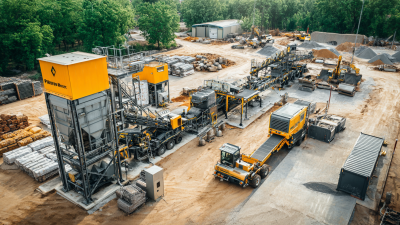
Picking the right Paver Making Machine can honestly feel a bit overwhelming. With so many options out there, it’s super important to think about what really suits your needs. I mean, as John Smith from Concrete Solutions Inc. puts it, ‘Choosing the right equipment can really make or break your project.’ That kinda hits the nail on the head, right? It just shows how crucial it is to make the right call when you're in this industry.
When you're looking at different Paver Making Machines, try to consider how much you need to produce and how efficient the machine is. Some machines are perfect for small batches, while others are geared up for bigger jobs. Taking a moment to think about these things can save you from making costly mistakes down the line. Oh, and don’t forget about the quality of the materials used to make these machines. Stuff built with tough, durable parts usually pays off in the long run.
And honestly, it’s easy to overlook maintenance when you’re excited about a shiny new machine. But regular upkeep is key to keeping things running smoothly. A machine might look great at first glance, but if it keeps breaking down and needs constant repairs, it’s probably not worth the hassle. Definitely spend some time reading reviews from other users and keeping an eye on industry trends. That way, you’ll get a much clearer idea of what’s actually a good fit for your work. Keep these points in mind, and you’ll be way better at making your decision feel less overwhelming and more spot-on.
When selecting paver making machines, several crucial factors come into play. Understand your production requirements. An industry report indicates that machine capacity varies significantly among models. Some machines produce 1000 to 5000 Pavers daily. This can determine whether you meet market demand or fall short.
Machine features also matter. Look for automation levels. Automated machines can ease labor costs and enhance efficiency. However, higher automation often leads to a steep learning curve. Not all operators may adapt quickly. Additionally, consider the types of molds available. A variety of molds allows for flexibility in designs but can increase costs.
Maintenance and serviceability cannot be overlooked. Paver Machines require regular upkeep to ensure consistent performance. Downtime due to maintenance can disrupt production schedules. A report notes that improper maintenance can reduce machine lifespan by up to 30%. Finally, consider energy consumption. Machines with energy-efficient designs may cost more upfront, yet save money long term. Balancing these factors is essential for optimal investment in paver making machines.
Paver making machines come in various types, each suited for specific applications. Common categories include stationary, mobile, and automatic machines. Stationary machines work well for large-scale production. They can produce high volumes quickly. However, they may limit flexibility in smaller projects.
Mobile paver machines are versatile. They allow you to make pavers on-site. This can reduce transportation costs and time. Smaller businesses often prefer this option.
Automatic machines are designed for efficiency. They reduce manual labor. However, their initial cost can be high.
When selecting a paver making machine, consider your production needs. Assess the scale of your projects. Make sure you know the type of pavers you want to produce. Here’s a tip: Always look at the machine's specifications. Some machines may not fit your requirements perfectly.
Also, think about the maintenance. Machines with complex parts might be harder to service. Check available support and spare parts. Regularly reviewing your choice can lead to better performance and output. Certain reports show that businesses often overlook this aspect, affecting their productivity. Keep this in mind for long-term success.
When selecting a paver making machine, focus on its specifications. Efficiency and output are crucial for your operations. One vital aspect is the capacity of the machine. Check how many units it can produce per hour. This metric helps you meet demand without overextending resources. A well-balanced output ensures steady production, preventing bottlenecks.
Next, consider the motor power. A robust motor results in better performance. It influences the speed and quality of the output. However, more power often means higher energy costs. Reflect on your budget and operational needs. Are you ready to manage those expenses?
Another key point is ease of use. Complex machines can hinder productivity. Look for user-friendly controls and clear interfaces. Training workers can take time. Don’t overlook maintenance requirements, too. Frequent breakdowns can disrupt operations. A well-rounded machine is an investment. Ensure it fits into your long-term plans. Balancing quality and cost is essential, particularly in Asphalt Paver production. Reflect on your unique situation as you make this decision.
| Specification | Description | Importance |
|---|---|---|
| Production Capacity | Number of pavers produced per hour (e.g., 500-2000 units) | Determines the efficiency of your operations |
| Machine Type | Hydraulic vs. Vibrating Paver Machines | Influences the final product quality and strength |
| Material Compatibility | Types of materials the machine can process (e.g., concrete, asphalt) | Ensures versatility in production |
| Automation Level | Degree of automation (manual, semi-automatic, fully automatic) | Affects labor costs and production speed |
| Energy Consumption | Power requirements (e.g., kW usage) | Impacts operational costs and sustainability |
| Cost | Initial purchase price and maintenance costs | Critical for budget planning |
| Size and Weight | Physical dimensions and transport requirements | Influences installation and mobility |
| After-Sales Support | Availability of service and parts | Important for long-term machine performance |
When considering the right paver making machines, understanding production capacity is crucial. For many manufacturers, the output is measured in pavers per hour. Machines typically produce anywhere from 100 to 900 pavers in one hour, significantly affecting their operational efficiency. A recent industry report highlighted that over 60% of companies prefer machines that can deliver higher outputs. This often leads to a dilemma: higher capacity may come at a greater initial investment.
However, a machine's production rate is not the only factor. It's important to assess the quality of pavers produced too. Some high-output machines might compromise on quality. A review of production trends indicates that 75% of successful companies prioritize quality over sheer quantity. They often achieve this through thorough testing and quality assurance processes.
Additionally, consider how the production capacity aligns with business needs. If demand fluctuates, an ultra-high capacity machine may not be the most economical choice. Balancing production capacity with demand can lead to a more sustainable operation. Finding a machine that fits your specific workload is essential. Assessing these factors can prevent costly mistakes and ensure long-term success in the paver manufacturing industry.
When budgeting for high-quality paver machinery, it’s crucial to understand the costs involved. The initial investment can be significant. Reports indicate that a good paver making machine can range from $10,000 to $100,000. This price variation depends on the features and technology offered.
Consider maintenance costs. Regular upkeep is necessary for optimal performance. Industry studies suggest that maintenance expenses can be about $10-15% of the initial machine cost annually. Moreover, don't overlook the costs of training operators. They need to understand the machinery thoroughly. Training often adds another $1,000 to $5,000 to your budget.
It’s important to reflect on the long-term return on investment. Paver machinery can boost production efficiency. However, poor choices can lead to financial strain. Ensure your equipment aligns with your production needs and projected market demands. Investing in the right machinery can lead to significant gains, while over-investing or underestimating needs can hinder growth. Keep these considerations in mind for effective budgeting.
Maintaining paver making machines is crucial for optimal performance. Regular maintenance ensures machines run efficiently. Check oil levels frequently. Inspect belts for wear and tear. Small issues can lead to larger problems if ignored.
Cleaning is another key aspect. Remove debris from the machine daily. This prevents clogs and potential malfunctions. Keep the interior components dust-free. It helps in extending the machine's lifespan.
Remember, not all maintenance routines are perfect. Some owners may overlook routine checks. It's easy to forget small details amidst busy schedules. However, being attentive can save time and money in the long run.
The paver making machine market is evolving rapidly. New technologies and innovations are reshaping the industry. Automation and efficiency are key trends. Machines today offer enhanced precision, reducing waste and increasing production speed. These advancements cater to diverse needs, providing flexibility for small and large-scale production.
Tips: Consider your production volume when selecting equipment. A machine that suits small projects may not suffice for larger undertakings. Always evaluate your specific requirements. Reliability is crucial. Research user feedback on machine performance to avoid disappointing investments.
Another trend is the integration of smart technology. Manufacturers are developing machines with advanced controls. These allow operators to monitor processes in real-time. This insight helps in making informed decisions during production. However, complex systems can be difficult to master. Training may be required to utilize these features fully. Ensuring operators are well-trained is vital for success.
In the modern construction landscape, the efficiency of road paving is paramount, particularly as urbanization continues to expand. The introduction of advanced paving technologies plays a crucial role in revolutionizing industry practices. The 6m track paver exemplifies this evolution, showcasing how modern engineering solutions can significantly enhance the efficiency of asphalt laying processes. Designed for a variety of applications, including roads, municipal streets, expressways, and smaller projects, this type of equipment not only meets but exceeds the demands of contemporary construction projects.
The standout feature of the tracked Asphalt Paver lies in its versatility and performance. Equipped with innovative technology, it offers precise control over the paving process, ensuring an even and durable asphalt surface. This reliability translates directly to reduced project timeframes and increased cost-effectiveness, as construction teams can complete tasks more swiftly and with a higher quality finish. Moreover, the robust construction of the paver enhances its longevity, making it a valuable investment for construction companies looking to stay ahead in a competitive market. As paving technology continues to evolve, the impact of such advanced equipment on the efficiency of construction practices cannot be overstated.
: Good paver making machines can cost between $10,000 and $100,000. Prices vary based on features and technology.
Maintenance costs typically range from 10-15% of the initial machine cost each year. It's essential for optimal performance.
Yes, training for operators can add $1,000 to $5,000 to your budget. Understanding the machinery is crucial.
Paver machinery can increase production efficiency. Poor decisions could lead to financial issues over time.
Regular oil checks and inspecting belts are essential. Neglecting small issues can result in larger problems.
Daily cleaning is vital. Remove debris and keep components dust-free to avoid malfunctions.
Some overlook routine checks due to busy schedules. Small details shouldn’t be ignored; attention saves money.
Yes, over-investing can hinder growth. Align your equipment with production needs and market demands carefully.
Underestimating can lead to inefficiency. It’s better to evaluate needs thoroughly to avoid financial strain.
Regular inspections are essential. Frequent checks can prevent costly malfunctions and extend machine longevity.
When choosing Paver Making Machines, several factors come into play to ensure you select equipment that meets your specific needs. Key considerations include the types of machines available and their diverse applications, as well as essential specifications like efficiency and output. Understanding the production capacity, measured in pavers produced per hour, is crucial for meeting demand. Additionally, a comprehensive cost analysis will aid in budgeting for high-quality machinery without compromising performance.
Maintenance requirements are also vital for ensuring the longevity and efficiency of your Paver Making Machines. Staying informed about market trends and innovations in paver machine technology can provide a competitive edge, ultimately improving your production processes and product quality. By carefully evaluating these aspects, you can make an informed decision that aligns with your operational goals.